Source wash and wear pocketing fabric for Garment Industry Lining
Compare 30 listings of wash and wear pocketing fabric from Chinese manufacturers. Buyers can evaluate compositions like 100% polyester or T/C blends, widths, and delivery times ranging from 15 to 25 days for garment, industry, and bedding applications.
Key considerations
Products List


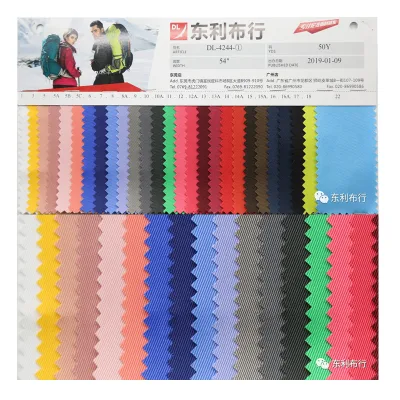
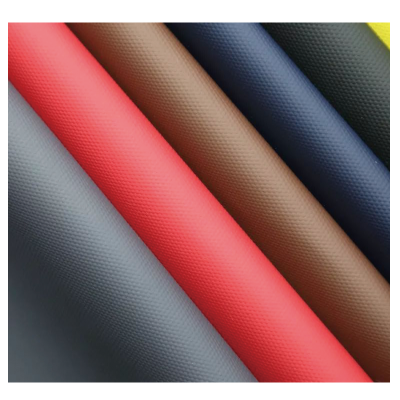


Comprehensive Sourcing Guide
Wash and Wear Pocketing Fabric Sourcing Guide
Sourcing wash and wear pocketing fabric requires a precise understanding of the material’s structural integrity and finish capabilities. Pocketing fabric is a specialized textile used primarily in the interior construction of garments, such as suit jackets, trousers, and coats, to create durable pockets that maintain their shape through repeated laundering and wear. The "wash and wear" designation implies that the fabric has been treated or constructed to resist wrinkling, shrinkage, and deformation after washing, ensuring the garment retains a professional appearance with minimal maintenance. Buyers must recognize that this category sits at the intersection of functional durability and aesthetic consistency, requiring materials that can withstand mechanical stress while remaining lightweight enough not to add bulk to the final product.
The procurement landscape for these fabrics is characterized by a high degree of customization and a reliance on synthetic blends or specific weave structures. Suppliers often offer a range of compositions, from 100% polyester to various polyester-cotton blends, each offering different trade-offs between cost, breathability, and wrinkle resistance. The observed market signals indicate that manufacturers are equipped to handle custom orders, with options for specific yarn counts, widths, and finishing techniques. This flexibility allows buyers to tailor the fabric to specific garment requirements, but it also necessitates rigorous verification of technical specifications to ensure that the selected material meets the performance standards expected of wash and wear products.
Product Scope and Observed Listing Signals
The product scope for wash and wear pocketing fabric encompasses a variety of woven structures, with brocade and plain weaves being prominent among the observed listings. These fabrics are typically supplied in grey form, allowing for subsequent dyeing and finishing processes that can achieve a wide spectrum of colors, including raw colors or custom shades as requested by the buyer. The availability of customization extends to the hand feel, with suppliers offering options for both hard and soft textures depending on the end-use application. This variability means that buyers must clearly define their tactile and visual requirements early in the sourcing process to avoid mismatches between the sample and the final bulk production.
Observed listing signals reveal a diverse range of technical attributes, including specific yarn counts such as 45×45 and densities like 110×76 or 96×72, which directly influence the fabric’s strength and drape. The width of the fabric is commonly observed at 63 inches, a standard dimension that facilitates efficient cutting and sewing in garment manufacturing. Additionally, the supply type is predominantly make-to-order, indicating that production is triggered by specific purchase orders rather than maintained in stock. This model supports customized specifications but requires careful planning regarding lead times, which are typically observed in the range of 15 to 25 days, depending on the complexity of the order and the supplier’s current production schedule.
Technical Specifications to Verify
Verifying the composition of the fabric is the first critical step in ensuring it meets wash and wear performance criteria. The observed market includes fabrics composed of 100% polyester, as well as various polyester-cotton blends such as 80/20, 90/10, and 65/35 ratios. Each composition offers distinct properties; for instance, higher polyester content generally enhances wrinkle resistance and durability, while cotton blends may improve breathability and comfort. Buyers must confirm the exact percentage of each fiber, as even small deviations can significantly impact the fabric’s behavior during laundering and its long-term wear characteristics. It is essential to request detailed composition certificates from suppliers to validate these claims.
Beyond composition, the weaving technique and physical features must be scrutinized to ensure structural integrity. The fabrics are typically woven, with some listings specifying warp knitting techniques for specific functional properties such as waterproofing or tear resistance. The fiber type is often short fiber, which can affect the surface texture and strength of the fabric. Buyers should verify the physical feature ratings, such as medium strength, to ensure the fabric can withstand the stress of pocket usage. Additionally, the craft of the fabric, whether it is dyed, bleached, or left in a half-process state, will influence its final appearance and performance. Confirming these details through sample testing is crucial to avoid quality issues in the final garment.
Compliance and Safety Documentation
Compliance with international safety and environmental standards is a non-negotiable aspect of sourcing wash and wear pocketing fabric. Buyers must ensure that the fabric meets relevant regulations for chemical safety, such as restrictions on azo dyes, formaldehyde, and heavy metals, which are commonly regulated in textile products. Although specific certification statuses are not provided in the observed listings, buyers should request documentation from suppliers indicating compliance with standards such as OEKO-TEX or REACH, depending on the target market. This documentation serves as proof that the fabric has been tested for harmful substances and is safe for use in garments that come into direct contact with the skin.
In addition to chemical safety, buyers should verify the fabric’s compliance with flammability and durability standards, particularly if the end product is intended for specific industries or regions with strict regulatory requirements. While the observed listings do not specify test results, buyers should inquire about the supplier’s ability to provide third-party test reports for key performance indicators such as colorfastness, shrinkage, and tensile strength. These tests are essential to ensure that the fabric maintains its integrity and appearance after repeated washing and wear. Buyers should also confirm that the supplier adheres to ethical labor practices and environmental management systems, as these factors are increasingly important to consumers and regulatory bodies alike.
Cost Drivers and Commercial Terms
The cost of wash and wear pocketing fabric is influenced by several key drivers, including the raw material composition, the complexity of the weave, and the finishing processes applied. Fabrics with higher polyester content or specialized finishes, such as waterproofing or tear resistance, typically command higher prices due to the increased cost of raw materials and processing. Additionally, the customization options available, such as specific yarn counts, widths, and colors, can impact the overall cost, as they may require additional setup time and resources from the supplier. Buyers should request detailed cost breakdowns to understand how these factors contribute to the final price and to identify opportunities for cost optimization.
Commercial terms and payment conditions are also critical considerations in the procurement process. The observed listings indicate a minimum order quantity (MOQ) of 5,000 meters, which is a common threshold for custom fabric orders. Buyers should be prepared to meet this MOQ to secure competitive pricing and ensure efficient production. Payment terms typically include TT (Telegraphic Transfer), DP (Documents against Payment), and LC (Letter of Credit), offering flexibility depending on the buyer’s preference and risk tolerance. It is advisable to negotiate clear terms regarding delivery schedules, packaging, and quality assurance to mitigate potential risks and ensure a smooth transaction.
Supplier Qualification and Quality Control
Qualifying suppliers for wash and wear pocketing fabric requires a thorough assessment of their manufacturing capabilities, quality control systems, and track record. Buyers should verify the supplier’s production facilities, including their weaving, dyeing, and finishing equipment, to ensure they have the capacity to produce high-quality fabric consistently. Additionally, buyers should inquire about the supplier’s quality control processes, such as in-line inspections, final product testing, and defect rate monitoring. A robust quality control system is essential to ensure that the fabric meets the specified technical and aesthetic requirements and to minimize the risk of receiving substandard products.
Furthermore, buyers should assess the supplier’s ability to handle custom orders and their responsiveness to buyer inquiries. The observed listings indicate that suppliers are capable of providing customization options, but buyers should verify their flexibility and willingness to accommodate specific requirements. Communication is key in the sourcing process, and buyers should establish clear channels for communication with the supplier to address any issues that may arise during production or delivery. Additionally, buyers should consider the supplier’s location, with Zhejiang and Shandong Province in China being common origins, and evaluate the logistical implications of sourcing from these regions.
Long-Term Procurement Checks
Establishing long-term procurement relationships with reliable suppliers is essential for ensuring consistent quality and supply of wash and wear pocketing fabric. Buyers should conduct regular performance reviews of their suppliers, evaluating factors such as on-time delivery, product quality, and responsiveness to issues. These reviews should be documented and used to identify areas for improvement and to reinforce positive behaviors. By maintaining open communication and providing constructive feedback, buyers can foster strong partnerships with their suppliers and ensure a steady supply of high-quality fabric for their garment production needs.
Additionally, buyers should stay informed about industry trends and technological advancements in fabric manufacturing to identify opportunities for innovation and cost savings. This may include exploring new materials, finishes, or weaving techniques that can enhance the performance and appeal of wash and wear pocketing fabric. By continuously evaluating their sourcing strategies and adapting to market changes, buyers can maintain a competitive edge and ensure that their products meet the evolving demands of consumers. Regular audits and site visits can also help buyers verify that their suppliers are adhering to agreed-upon standards and practices, further strengthening the long-term procurement relationship.
FAQs
What is the composition of the wash and wear pocketing fabric?
The fabric composition varies, with options including 100% polyester or T/C blends like 80% polyester and 20% cotton. Some listings specify T/C ratios such as 90/10 or 65/35 CVC. Buyers should verify the specific composition required for their garment or industry application before ordering.
Can I request custom colors for this woven fabric?
Yes, customization is available with options for any colors or many colors as per your request. The fabric can be dyed and bleached to meet specific needs. This flexibility allows buyers to match exact design requirements for garments, bedding, or curtains.
What is the minimum order quantity for this fabric?
The minimum order quantity is typically 5,000 meters, though some listings show a range from 1 to 70,000 units. Buyers must confirm the specific MOQ with the supplier, as it depends on the product model and customization level requested for the order.
How long does delivery take for these fabrics?
Delivery time generally ranges from 15 to 25 days after order confirmation. Some specific models indicate a lead time of 15 to 20 days. This timeline applies to make-to-order production and may vary based on the supplier's location in Zhejiang or Shandong Province.
Which specifications are available for the grey fabric?
Available specifications include a width of 63 inches and yarn counts like 45x45 with densities such as 110x76 or 96x72. The fabric is woven with plain patterns and comes in models like ATA-G0301 or ATA-G0303. Buyers can select based on their specific strength and application needs.
How is the fabric packed for shipment?
The fabric is packed in rolls or bales, often with a plastic bag inside and outside protected by a woven bag. This packaging ensures the material remains secure during transit. Buyers should confirm if the standard 110 meters per roll applies to their specific order requirements.